Skip to content



To measure your content marketing success, you need to track the right content marketing metrics. These metrics help you optimize your strategy and prove ROI. In this article, we’ll cover the top 12 metrics you should focus on.
Key Takeaways
- Tracking content marketing metrics is essential for measuring effectiveness and demonstrating ROI, guiding data-driven decisions for improved strategies.
- Utilizing third-party services, like That! Company’s white label internet marketing, enables agencies to expand offerings, boost client satisfaction, and enhance income streams without added resource burdens.
- Setting clear, measurable content marketing goals fosters collaboration, accountability, and alignment between metrics and business objectives, ensuring consistent progress and success.

What Are Content Marketing Metrics?
Content marketing metrics measure the effectiveness of your content. These are crucial for tracking progress towards specific marketing goals and provide insights into various aspects of your strategy. Understanding these metrics helps identify what works and what doesn’t, allowing for data-driven decisions to enhance strategies and demonstrate ROI.
Effective content marketing metrics are tied to important business goals, showcasing the connection between your content marketing’s effectiveness and overall business success. They influence prioritization within your marketing strategies, directly impacting the perceived success of the tactics employed. However, with the overwhelming number of metrics available, selecting the most relevant ones can be a major challenge. It’s crucial to choose metrics that align with your brand objectives and evolve with your marketing strategy to ensure they remain relevant.
Continuous tracking and analysis of these metrics enable marketers to uncover trends, improve SEO performance, and enhance content quality. This approach aids in measuring performance and refining strategies for better engagement and results.
In short, content marketing metrics are the compass that guides your content marketing efforts toward success.

Key Benefits of Using That! Company’s White Label Internet Marketing Services
Using That! Company’s white label internet marketing services allows agencies to expand their offerings without hiring additional staff or purchasing expensive tools. Partnering with That! Company enables agencies to deliver high-quality, data-driven strategies without in-house training, ensuring content marketing success. This partnership allows agencies to maintain client satisfaction by providing a complete package of digital marketing services, thus enhancing their content marketing efforts.
One of the standout benefits of using That! Company’s white label services is the ability to create new revenue streams and enhance overall income through diversified offerings. Agencies can leverage the expertise of That! Company to focus on their core competencies while the provider manages the delivery of marketing services. This not only improves operational efficiency but also ensures that clients receive top-notch services, boosting the agency’s reputation and client retention.
In addition to these benefits, clients receive detailed, branded reports with key performance metrics, helping agencies showcase campaign results and build long-term client trust. Utilizing That! Company’s multi-channel marketing services, such as SEO, PPC, social media management, and reputation management, ensures maximum online visibility and engagement for clients.
This holistic approach to content marketing performance ensures that all aspects of the marketing strategy are optimized for success.

Setting Content Marketing Goals
Setting clear and measurable content marketing goals is the cornerstone of any successful content marketing strategy. These goals provide benchmarks that keep your content strategy focused and aligned with your overall business objectives. Clear objectives create a roadmap for analysis and optimization, ensuring content marketing efforts are always on track.
Involving stakeholders in the goal-setting and measurement process is crucial. This ensures that everyone understands and agrees on the goals and metrics, fostering a collaborative approach to achieving content marketing success. Aligning content marketing metrics with business goals ensures that the metrics you track are relevant to your specific marketing objectives. This alignment is the best way to measure content marketing effectiveness and demonstrate ROI.
Regularly analyzing data allows marketers to uncover trends and shifts in consumer behavior, leading to more informed decisions. Creating a timeline for measuring content marketing performance helps maintain accountability and track progress towards your goals. Finding the right balance in measuring content marketing performance is crucial for the business, ensuring that you are always on track to achieve your desired outcomes.

Key Performance Indicators (KPIs) for Content Marketing
Key Performance Indicators (KPIs) are the lifeblood of any content marketing strategy. They help content marketers understand the effectiveness of their content marketing efforts and guide them in making data-driven decisions. Identifying core objectives and KPIs is critical in selecting the most relevant content marketing metrics to track. These KPIs provide a clear picture of how well your content is performing and highlight areas that need improvement.
Some of the most critical KPIs for content marketing include pageviews, unique visitors, and engagement metrics such as shares and comments. These key metrics help increase website traffic and build awareness through content marketing. Additionally, conversion metrics, such as lead generation and conversion rates, are essential for understanding the effectiveness of your content strategy in achieving specific goals. Tracking these KPIs allows content marketers to measure ROI and adjust strategies accordingly.
Tools like Google Analytics and various analytics tools can be invaluable in tracking and analyzing these KPIs. Understanding and aligning these KPIs with your marketing objectives ensures that your content marketing campaigns are always aligned with your overall business goals, leading to greater content marketing success.
Website Traffic Metrics
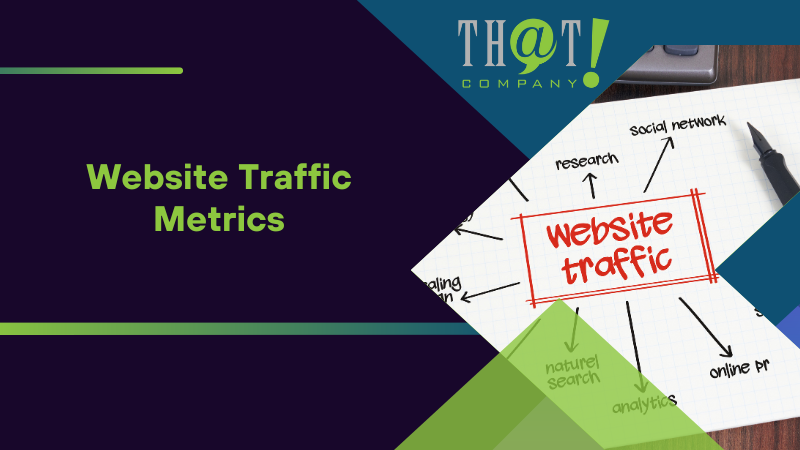
Website traffic metrics are essential for understanding how much traffic your website or blog is attracting and where it is coming from. An increase in website traffic is often a common outcome of successful content marketing efforts. These metrics help you understand the performance of different traffic sources, such as organic search, direct visits, referrals, and paid search, providing valuable insights into which channels contribute most to your overall traffic.
Google Analytics is a powerful tool for monitoring website traffic and analyzing user interactions. By tracking traffic sources, you can identify which channels bring valuable traffic and what types of content perform best. Key consumption metrics include page views, unique visitors, and average time on page, all of which provide a comprehensive view of how users are engaging with your content.
Understanding website traffic metrics is crucial for optimizing your content marketing strategy and ensuring your content resonates with your target audience. Continuous monitoring of these metrics enables data-driven decisions that enhance performance and drive engagement and conversions.
Page Views
Page views refer to the total number of visits to webpages or app screens, counting repeated visits by the same user. They are a general indication of how well an article or webpage is performing, reflecting visitor interest.
Using tools like GA4, you can track each instance a browser loads a particular page, regardless of repeat visits. Tracking page views helps identify which content pieces attract the most traffic and should be further developed, while a high bounce rate may indicate a need for content improvement.
Unique Visitors
Unique visitors refer to the count of distinct individuals visiting a website, counted only once regardless of how many times they revisit. Tracking unique visitors is crucial for understanding the reach and size of your audience, informing content strategy effectively.
Analyzing this metric helps tailor content to better meet audience needs and interests, driving more engagement and conversions.
Sessions
Session metrics provide significant insights into user behavior and engagement on a website. A session is defined as a single visit to a website, regardless of the number of articles read during that visit. Understanding session metrics is crucial for evaluating how users interact with your content and navigation on your site.
These insights can help you optimize your website design and content layout to enhance user experience and drive better engagement.

Engagement Metrics
Engagement metrics evaluate how well your content resonates with audiences and provide insights into user preferences. Understanding audience engagement, such as comments and interactions, is crucial for assessing how well your content resonates with your target audience. Key engagement metrics include time on page, bounce rate, and pages per session, all of which indicate user interaction and content effectiveness.
Monitoring engagement metrics is essential for refining content strategies to align with audience interests. By tracking these metrics, content marketers can identify which content pieces are most engaging and what areas need improvement. This not only helps in measuring content marketing performance but also in creating more engaging content that drives higher levels of interaction and satisfaction.
Time on Page
Time on Page measures the average time spent by visitors on a webpage. This metric indicates audience engagement and the perceived value of the content. A longer Time on Page generally suggests that the content is engaging and valuable, reflecting the quality of the content and how well it resonates with the audience.
Google Analytics is a tool that can be used to track average engagement time, helping you understand and improve content quality.
Bounce Rate
Bounce rate is a key content marketing metric that indicates the effectiveness of your content. It is defined as the percentage of visitors leaving after viewing only one page. A high bounce rate may suggest that visitors do not find the content engaging enough to explore further, indicating a need for content improvement.
Monitoring bounce rate helps you understand user retention within a single visit and provides insights into user engagement.
Pages Per Session
The average number of pages viewed during a single session reflects the level of user engagement with the website’s content. This metric helps you understand how many pages visitors explore during a session, providing insights into user interest and navigation behavior.
Tracking pages per session can guide you in optimizing your content layout and internal linking strategy to enhance user experience and engagement.

Social Media Metrics
Social media metrics are crucial for evaluating the performance of your content on social media platforms and understanding audience interaction. Engagement metrics on social media, such as likes, shares, comments, and follower growth rate, reflect how well your content resonates with your audience. Effective content distribution on social media can be analyzed through impressions and direct traffic derived from social channels, indicating the success of your marketing efforts.
Tracking social media metrics provides valuable insights into content reception, enabling informed decisions to improve future strategies. Feedback from social media provides a direct line to audience preferences and interests, helping you create more engaging and relevant content that drives higher levels of interaction and satisfaction.

SEO Metrics
SEO metrics are indispensable for understanding and enhancing your website’s visibility in search engine results. Keyword rankings, for instance, indicate the positions your website holds for different search queries, and higher rankings generally correlate with increased visibility and traffic to the website. Tools like Google Search Console can help you track organic search traffic effectively, providing insights into how well your content is performing in search engine results pages. Utilizing a white label SEO platform can further streamline tracking and optimization, allowing businesses to scale their SEO efforts efficiently.
Backlinks are another crucial SEO metric, representing links from other websites pointing to yours. These links signal credibility to search engines, which can positively impact your rankings. Monitoring search engine indexing involves understanding how effectively search engines crawl your site, with Core Web Vitals impacting rankings.
Monitoring these SEO metrics helps optimize content for better search engine performance, driving more organic traffic. Incorporating SEO metrics into your content marketing strategy ensures that your content is not only engaging but also easily discoverable by your target audience. This holistic approach to content marketing performance helps you achieve greater content marketing success, driving more traffic, engagement, and conversions.

Conversion Metrics
Conversion metrics are pivotal in assessing the effectiveness of your content marketing efforts in driving desired actions from users. Lead generation, for example, helps marketers evaluate how well their content attracts and converts visitors into leads. Click-through rates are essential for assessing the effectiveness of calls to action, while goal completions track specific actions completed by visitors, such as sign-ups or purchases.
Tracking lead generation, goal completions, and conversion rates allows marketers to gauge the success of their strategies effectively. Conversion rates measure the percentage of visitors who complete desired actions, providing insights into how well your content is performing. These metrics are crucial for understanding your content marketing performance and making data-driven decisions to enhance your strategy.
Focusing on conversion metrics helps you measure content marketing ROI and identify areas for improvement. Continuous monitoring and optimization of these metrics ensure that campaigns drive meaningful results and contribute to business goals.
Lead Generation
Lead generation is a key focus for content marketing, as it helps marketers assess how effectively their content generates desired actions from users. Measuring form completions, email opt-in rates, and the number of downloads for gated content are essential for evaluating lead quality and performance.
Tracking these metrics helps optimize content strategy to attract and convert more leads, driving greater success.
Goal Completions
Goal completions refer to the specific actions completed by visitors on your website, such as sign-ups, downloads, or purchases. Tracking goal completions provides insights into the effectiveness of your content marketing efforts and helps in measuring ROI.
Examples of goal completions include user sign-ups for newsletters, making a purchase, filling out a contact form, and downloading resources. These metrics are crucial for evaluating your content strategy and driving better results.
Conversion Rate
The conversion rate is a crucial metric that reflects the proportion of visitors completing a desired action relative to the total visitors. It is the percentage of visitors taking a desired action, such as making a purchase or filling out a form, indicating the effectiveness of your content marketing efforts.
By tracking and optimizing your conversion rate, you can ensure that your content drives meaningful results and contributes to your overall business goals.

Cost Metrics
Cost metrics are essential for evaluating the financial efficiency of your content marketing efforts. They focus on both production and distribution costs, helping you understand the true cost of content marketing. The overall expenses of content creation encompass internal costs, such as salaries, and external costs, such as outsourced services. Understanding these costs allows organizations to make informed decisions regarding budget allocation for future campaigns.
Paid promotional strategies, including pay-per-click and social media advertising, significantly contribute to content distribution costs. A comprehensive evaluation of ROI should factor in the total costs associated with both content production and distribution. Misconceptions about content distribution often assume that it is free, ignoring associated costs. By measuring the cost per lead, marketers can assess the efficiency of their content in generating new business opportunities.
High production expenses without adequate revenue can indicate inefficiencies that need addressing in your content marketing strategy. By continuously monitoring and optimizing cost metrics, you can ensure that your content marketing efforts are financially efficient and contribute to your overall business goals.

Content Production Metrics
Content production metrics measure the performance of your content production operations, ensuring alignment with strategic goals. Tracking the number of published content pieces or words over time assesses content throughput and overall production efficiency. Establishing strategies for repurposing existing content supports resource efficiency in content marketing.
Buffer, for example, published up to eight blog posts weekly at their peak, reflecting their focus on maintaining content output. The time to publish measures the duration from content idea conception to publication, highlighting efficiency in the production process. A production ratio close to one indicates a healthy content production speed, matching visitors’ consumption rates.
Measuring content production for individual writers helps assess productivity and manage resources effectively. Content production metrics help you maintain a consistent content flow, ensuring that your content marketing efforts are always aligned with your strategic goals and driving meaningful results.

Sharing Metrics
Sharing metrics analyze how often your content is shared across various channels, providing insights into its reach and engagement. The key metric to track for sharing metrics is social media shares, which indicates audience interest in the content. People typically share content because it is useful, entertaining, and informative, reflecting their values and interests.
Earning shares indicates that you are producing content your audience wants, directly correlating with engagement levels. Establishing a content inventory helps in tracking published assets across different types and channels, facilitating effective monitoring of sharing metrics. Monitoring customer feedback through various channels provides insight into content effectiveness and highlights areas for improvement.
Share of voice is a metric that compares how often your brand is mentioned versus competitors, indicating the content’s influence in the market. Tracking and optimizing sharing metrics ensures content resonates with the audience, driving greater engagement and reach.

ROI Metrics
Content marketing ROI is a crucial indicator that measures the revenue derived from content efforts against the expenses incurred. It is typically expressed as a percentage showing the revenue gained versus the investment made. To calculate content marketing ROI, subtract the investment cost from revenue, divide by the investment, and express it as a percentage. The formula for calculating content marketing ROI is revenue minus total content investment, divided by total investment, multiplied by 100.
A higher ROI percentage indicates that your content marketing strategy is yielding more revenue relative to its costs. Continuous monitoring and optimization of ROI metrics ensure financial efficiency and contribution to overall business goals.

Where to Go From Here
Now that you’ve explored the top 12 essential content marketing metrics, it’s time to put this knowledge into action. Start by focusing on metrics at the top of the funnel, like retention and engagement, as these are critical for understanding how well your content is performing. Implementing a comprehensive marketing metrics dashboard that includes all the metrics you hope to measure will help you track progress and make data-driven decisions.
As you continue to refine your content marketing strategy, remember to regularly analyze and adjust your metrics to ensure they remain aligned with your business goals. This approach allows for optimized content marketing efforts, greater engagement, and long-term success.

Conclusion
In summary, tracking the right content marketing metrics is essential for measuring the effectiveness of your content marketing efforts and driving success. By understanding and leveraging these metrics, you can make data-driven decisions that enhance your content strategy, optimize your marketing efforts, and achieve your business goals. Partnering with a white label digital marketing agency can further streamline these efforts, providing expert insights and scalable solutions to maximize your content marketing success.
Remember, the journey to content marketing success is ongoing. Continuously monitor and optimize your metrics, stay agile in your approach, and always strive to create engaging, high-quality content that resonates with your audience. With the right metrics in place, you’ll be well on your way to unlocking the full potential of your content marketing strategy.

Frequently Asked Questions
What are KPIs in content marketing?
KPIs, or Key Performance Indicators, are essential measurable goals that help you gauge the success of your content marketing efforts. By tracking metrics like brand awareness, engagement rates, and website visits, you can make informed decisions to boost your strategy and achieve greater results!
What are content marketing metrics?
Content marketing metrics are essential indicators that reveal how effectively your content is resonating with your audience and advancing your marketing objectives. By tracking these metrics, you can continuously improve your strategy and achieve greater success.
How can That! Company’s white label services benefit my agency?
That! Company’s white label services enable your agency to enhance its offerings seamlessly, improve service quality, and unlock new revenue opportunities—all without the extra costs. Embrace this chance to elevate your agency’s success!
How do you measure content marketing ROI?
To effectively measure your content marketing ROI, calculate your revenue from content efforts compared to your total expenses using the formula: (revenue – total content investment) / total investment * 100. By tracking this metric, you can ensure your content strategy is driving real value!