Skip to content


Need to improve your local search rankings? Our local search engine optimization checklist outlines key steps to boost your visibility. From tracking tools to local listings, get started now.
Key Takeaways
- Implement essential tracking tools like Google Analytics 4 and Google Search Console to enhance local SEO through data-driven decisions.
- Optimizing local listings on platforms such as Google Business Profile, Bing Places, and Apple Maps is crucial for increasing visibility and attracting local customers.
- Establish a solid technical SEO foundation and maintain consistent NAP information to improve local search rankings and user trust.

Set Up Essential Tracking Tools
Implementing key tracking tools enables data-driven decisions in local SEO. Google Analytics 4, designed to enhance user tracking, integrates seamlessly with local SEO metrics, making it a vital tool for local businesses. As part of your local search engine optimization checklist, utilize Google Search Console to get detailed reports on website performance, fix issues, and request indexation.
Keyword tracking software helps monitor local search performance and user engagement effectively. Call tracking tools can be invaluable in measuring the effectiveness of your local SEO campaigns by analyzing call data.
Evaluate performance metrics regularly to optimize local SEO strategies effectively.

Key Benefits of Using That! Company’s White Label Local SEO Services
For agencies, partnering with a white label local SEO provider like That! Company can be a game-changer. It allows agencies to focus on their core competencies while outsourcing specialized SEO tasks. This partnership can significantly improve client retention by ensuring consistent delivery of high-quality SEO results.
White label services offer scalability, enabling agencies to manage more clients and projects without sacrificing quality. Through these partnerships, agencies can access advanced SEO strategies, keeping them competitive in a rapidly evolving market. Additionally, working with a white label SEO provider can reduce operating costs by eliminating the need for expensive SEO tools and in-house expertise.
Leveraging That! Company’s expertise enhances local SEO efforts, optimizes local listings, and improves local search rankings for agencies through a targeted local seo campaign. This comprehensive approach ensures that local businesses appear more prominently in local search results, attracting more local customers and driving revenue growth.

Build a Strong Technical SEO Foundation
A solid technical SEO foundation is essential for good local SEO. Having an SSL certification reduces risk and is a significant ranking factor. An XML sitemap is necessary to help search engines properly crawl your site, and a well-configured robots.txt file manages crawler traffic from search engines. Including these elements in your local search engine optimization checklist ensures your site is optimized for better rankings and visibility.
Tools like Screaming Frog SEO Spider can identify technical issues affecting local SEO performance. Use website graders to regularly assess improvement areas and ensure the main navigation aligns with the overall structure for better SEO checklist.
Creating location pages and linking them effectively from the main navigation and footer can boost your local SEO efforts.
Create and Optimize Local Listings
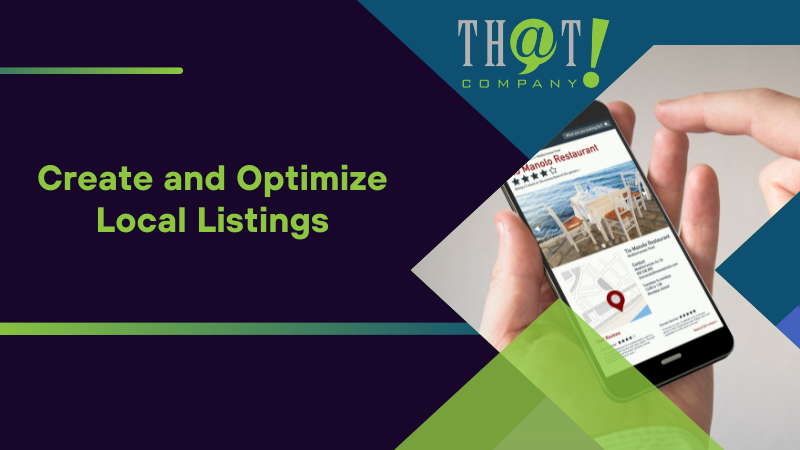
Optimizing local listings is a cornerstone of local SEO. A well-optimized Google Business Profile significantly enhances a business’s visibility in local search results. Providing complete and accurate business information ensures better visibility.
Beyond Google Business Profile, it’s also important to claim and optimize your listings on Bing Places and Apple Maps. Regularly updating local profiles maintains accuracy for users and search engines.
Google Business Profile
Setting up a Google Business Profile generates significant results for businesses aiming for local visibility. This free tool helps in managing how your business appears on Google Search. It also allows you to control your business’s presence on Google Maps. Start by claiming your profile and then verify it using a code sent via mail, email, or text.
After claiming your profile, provide relevant information, including selecting the correct category, services, and contact details. To optimize your profile, include keywords, customer reviews, and authentic images or videos. Posting regular updates keeps your business active in Google’s eyes and attracts more customers.
A well-maintained Google Business Profile significantly increases visibility on Google Maps and local searches. Updating your profile regularly boosts local search visibility and showcases ongoing activity. Monitoring user interactions and responding to questions can help maintain engagement.
Bing Places
Bing Places is a critical platform for local businesses aiming to enhance their visibility in Bing search results. Create an account and provide essential business details, including Name, Address, and Phone number, to set up a Bing Places listing.
Optimize your listing by providing accurate information, adding photos, and regularly updating business hours. Continuously monitor and manage your Bing Places listing to adapt to changing business needs and enhance local search performance.
Apple Maps
Claiming your business on Apple Maps can significantly increase its visibility to users searching locally on Apple devices.
Keep your information accurate and regularly updated to maintain visibility and attract local customers.

Maintain Consistent NAP Information
Search engines favor businesses with uniform NAP (Name, Address, Phone number) details across various platforms, impacting local search rankings. Inconsistent NAP information can create confusion for potential customers, affecting their trust in the business.
Common reasons for NAP inconsistencies include business relocations, changes in phone numbers, and variations in the business name. Conduct regular audits of business listings to ensure NAP details remain accurate and consistent across all platforms. Citation management tools facilitate the monitoring and updating of NAP information.

Generate and Manage Reviews
Google considers reviews a vital ranking factor when determining local search results. Nearly 90% of people read local business reviews, and positive reviews significantly impact Google local rankings. As part of your local search engine optimization checklist, utilizing tools to obtain reviews can simplify the process and foster customer trust.
Responding promptly to reviews, including negative ones, demonstrates customer care and positively influences local SEO. Engaging with all reviews shows that you care for your customers and is important in the eyes of Google.
That! Company manages reputation and reviews by helping businesses acquire, monitor, and respond to reviews across multiple platforms, enhancing credibility and trust.
Build High-Quality Local Citations
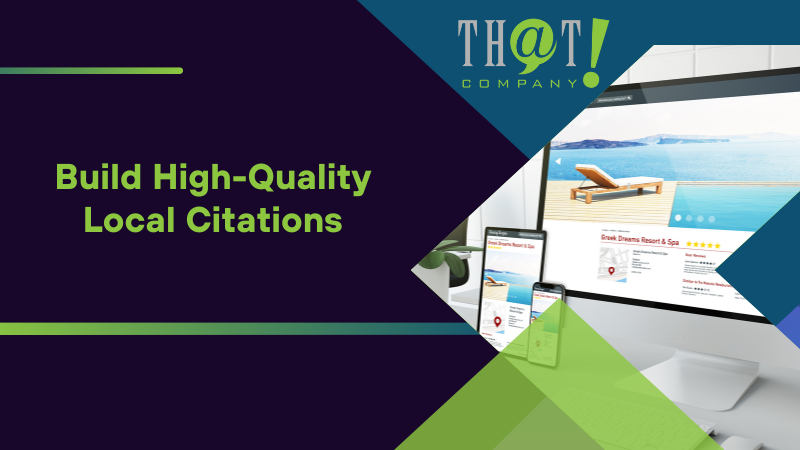
Business directories are crucial in local searches, with 31% of top organic results linked to them. A variety of local citation sites exist, including general, industry-specific, and location-based directories. Creating citations on high Domain Authority sites can significantly enhance visibility in local searches.
Platforms like Yelp, Google Business Profile, and Facebook are vital for building local citations. Engaging with local Chamber of Commerce listings can provide valuable backlinks and visibility.
Citation builder services streamline the process of submitting to multiple directories. Regularly audit and maintain citations to prevent inaccuracies that could harm local SEO.

Conduct Comprehensive Keyword Research
Conducting local keyword research helps build a keyword list for a local SEO strategy and improves search visibility. Identify local searches and related keywords that customers with local intent use for effective local keyword research. Adding a local term in searches generates more relevant local keywords.
SEMrush is a recommended source for finding keywords related to your services. Google Keyword Planner offers search volume data tailored for specific geographic regions. This tool is useful for conducting local keyword research. Voice searches often use longer phrases, making long-tail keywords essential for optimization, especially when considering how users interact with a search engine.

Optimize On-Page Elements
Optimizing on-page elements is a critical component of local SEO. Meta titles need to be unique, descriptive, and contain the primary keyword at the beginning. Title tags must be keyword-rich, designed for both keywords and clicks.
Meta descriptions should ideally be between 150-160 characters and include a call to action. Location-focused keywords at the top of the page, wrapped in an H1 tag, enhance relevance. An internal linking strategy enhances the distribution of page authority across the site.

Leverage Structured Data
Structured data is a standardized code format for backend information that helps organize content for search engines. Schema markup assists search engines in understanding content and enhances local business representation. Local Business schema markup helps in better organizing business details.
Test the schema markup with the Schema Markup Validator to ensure proper implementation and accuracy. Including additional optional properties like opening hours in Local Business structured data can enhance your business information displayed.
Incorporating geographic positioning with geo-coordinates in structured data can improve how search engines understand your location.

Create Location-Specific Content
Understanding your local audience’s demographics and search behaviors can guide the creation of relevant content. Distinct pages for each location help search engines recognize individual branches and their relevance. Writing about local events and news attracts community traffic and demonstrates business engagement.
Sharing local success stories and testimonials builds credibility and trust with potential customers. Engaging on social media with local content drives traffic to your website and boosts local SEO.

Utilize Social Media for Local Engagement
Incorporate local elements in social media posts to make your business more relatable and discoverable to nearby customers. Engaging local audiences through social media strengthens connections and increases local followers by tailoring content to community events and interests. Partnering with local influencers can extend your reach by leveraging their credibility and connection to the community. Utilizing white label digital marketing solutions can further enhance your local SEO efforts by providing scalable and effective social media strategies.
Cross-promoting with other local businesses enhances exposure and draws larger crowds through shared marketing efforts. Engaging with local events and communities on social media brings businesses closer to their target audience.
Acquire Quality Backlinks
Local backlinks indicate to search engines that your business is credible and relevant to particular geographic areas. Backlinks from authoritative local sites have a stronger impact on improving search rankings than generic backlinks. Engaging with local media and bloggers can lead to mentions that include backlinks to your website.
Sponsoring local events results in backlinks from event websites, enhancing your community visibility. Customer testimonials on local blogs or websites can provide valuable backlinks and increase your business’s credibility. By choosing to sponsor local events, you can further boost your presence in the community.
Content relevant to local audiences attracts backlinks from local websites or bloggers.

Improve Website Performance
Core Web Vitals significantly impact web page performance and ranking. Websites should aim for load times of three seconds or less for optimal performance. Ensuring your website is responsive is essential for adapting to various screen sizes.
Google’s Mobile-Friendly Test evaluates how well your site performs on mobile devices.

Promote Your Content Locally
Effective channels for promoting content include social media, email/newsletters, local PR/news outlets, and community forums. Notify local news sites a few days in advance and provide a summary of your story to gain media coverage for local events.
Utilizing local media outlets for stories about your business can enhance visibility and credibility within the community. Promoting your content locally increases visibility and drives traffic through targeted outreach.

Monitor and Adjust Your Strategy
Set up tracking tools like Google Analytics and Google Search Console to monitor your complete local seo checklist performance. Properly configure your robots.txt file to avoid hindering the crawling of important website pages.
Conduct weekly local SEO analysis to maintain optimal performance and adjust strategies as necessary. Set up the rank tracker, then run a full local SEO analysis to obtain comprehensive insights.

Summary
Today, local SEO remains a crucial strategy for local businesses aiming to enhance their visibility and attract more local customers. By following this comprehensive local search engine optimization checklist, businesses can ensure they are optimizing their online presence effectively. From setting up essential tracking tools and optimizing local listings to acquiring quality local backlinks and engaging with the community, each step contributes to a robust local SEO strategy. Utilizing white label Google solutions can also help agencies streamline their SEO services for clients. Staying vigilant with updates and monitoring performance using tools like Google Analytics and Google Search Console will keep your local SEO efforts on track. Embrace these strategies, and your business will be well-positioned to thrive in the competitive local search landscape.

Frequently Asked Questions
How to optimize local SEO?
To optimize local SEO, ensure your business information is complete and accurate, verify your locations, maintain current operating hours, actively manage and respond to reviews, and include relevant photos and in-store products. This approach enhances your local ranking on Google by prioritizing relevance and distance to your customers.
What is the SEO checklist?
An effective SEO checklist includes keyword research, optimizing meta tags, creating high-quality content, using headings appropriately, and focusing on image, URL, and link building optimization. Implementing these elements will enhance your website’s visibility and performance in search results.
How does That! Company ensure a smooth transition for new clients?
That! Company ensures a smooth transition for new clients by prioritizing a worry-free integration process, allowing for minimal disruption to ongoing marketing efforts.
What is the difference between a Google Business Profile and a Google My Business account?
The primary difference is that a Google Business Profile is the public listing seen on Google Search and Maps, whereas a Google My Business account is the tool used to manage and update that information.
What is a key component of an effective local SEO campaign?
A key component of an effective local SEO campaign is optimizing your Google Business Profile to enhance visibility and engagement with local customers. This should be supported by thorough keyword research and consistent management of business listings.