Skip to content

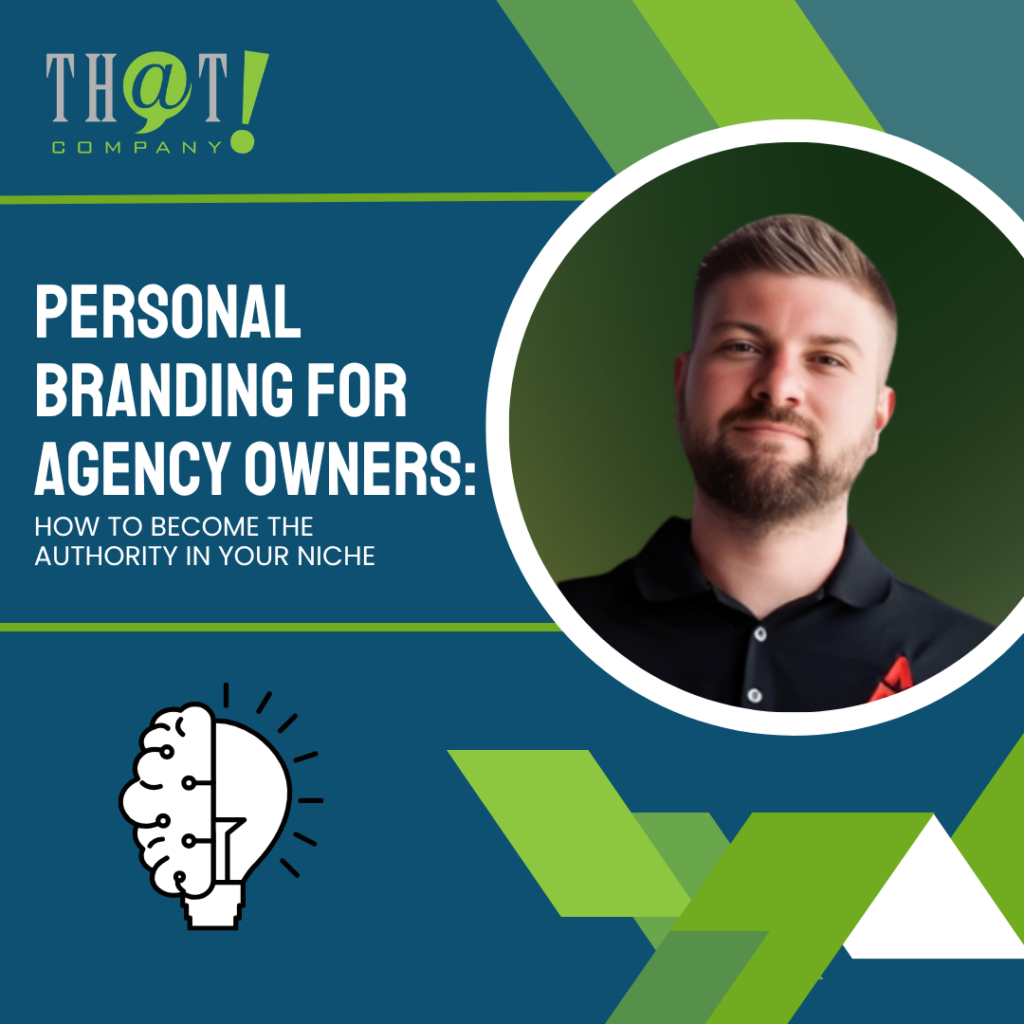
For agency owners, authority is not built in a single post, one viral video, or a perfectly polished logo. It is built through consistent visibility, useful content, real relationships, and a willingness to show up before the leads start coming in.
In this Mastermind Speaker Series session, Adam McChesney of Builders of Authority shared how he used personal branding to grow multiple agencies, generate inbound leads, build trust in niche markets, and create opportunities that would not have come from agency branding alone.
Prefer to watch the full conversation? The video walks through Adam’s story, his daily routine, and the practical steps agency owners can use to become known, trusted, and referred in their niche.
Why Personal Branding For Agency Owners Matters
Adam defines personal branding simply: it is what people say about you when you are not in the room.
For agency owners, that matters because referrals, inbound leads, and trust often start before a prospect ever books a call. People are watching how you show up online. They are paying attention to what you talk about, who you help, how consistent you are, and whether your message feels real.
Adam explained that many agency owners assume they do not have a personal brand. His point was clear: whether you know it or not, you already have one.
The question is whether that brand is helping people remember, trust, and refer you.
A strong personal brand can help agency owners:
- Stay top-of-mind with ideal clients and referral partners
- Build credibility before the sales conversation
- Shorten the sales cycle
- Create more inbound opportunities
- Differentiate in a crowded market
- Build an asset that can outlast any single company brand
That last point is important. Adam shared that after exiting one agency and taking time away from the digital marketing space, his personal brand still carried weight. When he announced his return, business owners were ready to work with him again.
That is the power of building authority around the person behind the agency—not just the agency name.
Personal Branding Is Not Just Posting Selfies
One of the strongest parts of Adam’s message was what personal branding is not.
It is not a highlight reel. It is not only posting wins. It is not pretending every day is perfect. It is also not a replacement for your agency’s website, SEO, paid ads, social media, or overall business brand.
Instead, your personal brand and agency brand should work together.
Your agency brand explains what your company does. Your personal brand helps people understand who they are trusting to lead the work.
That distinction matters because people do not just buy services. They buy confidence. They buy clarity. They buy the feeling that the person across the table understands their business and will follow through.
Adam put it plainly through his own examples: people buy from people, not logos.
And no offense to logos. Some of them are lovely. They just do not answer DMs, build relationships, or earn trust in Facebook groups.
The 90-Day Commitment That Changed Everything
Adam’s personal branding journey started when he left a $200,000-a-year medical sales career to go all in on digital marketing.
Then July 2020 happened.
He sold zero new clients.
That moment forced him to get serious about building a personal brand. He invested in coaching and was told to follow a simple plan for 90 straight days:
- Post twice a day on Facebook
- Add five new friends per day
- Engage with ideal clients and referral partners
- Stay consistent without changing the plan too early
Adam did not land his first client from the strategy on day 10, day 30, or day 60.
It happened on day 89.
That client, a local tree service owner, became a long-term client and later came back with another business. The relationship started because Adam added him on Facebook, paid attention to his business, and began tagging him when people in local groups asked for tree services.
No hard pitch. No awkward “just checking in” message. Just useful, intentional relationship-building.
For agency owners, the lesson is simple: consistency does not always pay off immediately, but it compounds when you keep showing up.
What Agency Owners Should Post About
A common mistake agency owners make is assuming every post needs to be about marketing, rankings, ads, dashboards, or results.
Adam takes a different approach.
He shared that 80–90% of his content has nothing to do with digital marketing directly. Instead, he posts about:
- Life as an entrepreneur
- Family and personal moments
- Hobbies and travel
- Community involvement
- Lessons from business ownership
- Client and team stories
- Wins, losses, and real experiences
When he does post about business, he focuses on storytelling.
That is the difference between saying, “We ranked a client on page one,” and telling the story of where the client started, what challenges they faced, what changed, and why the result matters.
The second version gives people context. It helps ideal prospects see themselves in the story.
Adam also emphasized the importance of highlighting your team. When the agency owner is the only visible face, clients may expect everything to come directly from that person. By featuring team members, agency owners can build trust in the people who will actually support the client day to day.
That is especially relevant for growing agencies. Authority should create demand, not make the owner the bottleneck.
Start With One Platform Before Expanding Everywhere
Adam uses Facebook, Instagram, LinkedIn, YouTube, podcasting, speaking, Facebook groups, and live content.
But he did not start there.
In the beginning, he focused on Facebook.
That is an important reminder for agency owners who feel pressure to be everywhere. Being everywhere badly is not a strategy. It is a fast track to burnout with extra notifications.
Adam recommends starting with the path of least resistance. For many agency owners, that could look like:
- Posting once per day on Facebook
- Creating two short-form videos per week
- Adding five relevant connections per day
- Commenting on ideal clients’ posts
- Participating in local or industry-specific groups
The goal is not to become famous. The goal is to become familiar to the right people.
That difference matters.
A viral post can create exposure, but targeted authority creates opportunity. Adam shared examples of posts that reached hundreds of thousands of views, but he was clear that virality does not always create revenue. For agency owners, quality of attention matters more than quantity of attention.
Why Facebook Still Works For Agency Authority
While many marketers focus heavily on LinkedIn, Instagram, TikTok, or YouTube, Adam still sees Facebook as a major lead source.
His reasoning is practical: business owners still spend time there, especially in local and industry-specific groups.
They ask for recommendations. They look for vendors. They talk about problems. They notice who gets tagged repeatedly.
That creates a powerful referral loop. When a prospect asks, “Who can help me with digital marketing?” and several people tag the same agency owner, credibility is created before the first conversation.
Adam shared that Facebook helps him:
- Build daily visibility
- Humanize his brand
- Generate inbound conversations
- Attract ideal clients
- Shorten the sales process
- Stay connected with referral partners
The key is taking the long-game approach. Agency owners cannot enter groups, spam a pitch, and expect trust. They need to contribute, support others, answer questions, and become a familiar name.
The best salespeople may eventually be the people who think of you when you are not even in the conversation.
Podcasting As A Relationship-Building Tool
One of Adam’s most practical authority-building strategies is podcasting.
He shared examples of podcast guests later becoming clients, referral sources, or valuable business relationships. In one case, a podcast conversation led to a substantial agency opportunity because the guest was already considering another provider and ended up trusting Adam more after their conversation.
Podcasting works because it creates a reason to start a relationship without leading with a sales pitch.
Agency owners can use podcasts to interview:
- Current clients
- Ideal clients
- Referral partners
- Industry experts
- Local business owners
- Strategic partners
The audience matters, but the relationship may matter even more.
Adam also reminded agency owners not to obsess over download numbers. A podcast does not need to be a global media empire to create business value. Sometimes the real return comes from the conversation, the content clips, the credibility, and the doors it opens.
Speaking And Events Build Authority Faster
Speaking is another authority accelerator Adam recommends.
That does not always mean standing in front of 500 people. It could mean a local business group, a niche trade event, a virtual training, or a small room of business owners who match your ideal client profile.
Speaking gives agency owners content, credibility, and direct access to people who need help.
It can also position the agency owner as a subject matter expert in a specific vertical. If you serve roofers, landscapers, contractors, med spas, attorneys, or another niche, speaking to that audience helps you move from “vendor” to “trusted expert.”
Adam’s advice was to lead with value. If the event is a strong fit, sponsorships, booths, and vendor opportunities may also make sense. But the foundation should always be useful education.
Authority Creates More Than Leads
The obvious benefit of personal branding is more inbound leads.
But Adam’s story shows that authority can create much more than that.
Through consistent personal branding, he has created opportunities such as:
- Speaking engagements
- Podcast invitations
- Event sponsorships
- Strategic partnerships
- Equity opportunities
- Endorsement deals
- Book opportunities
- Stronger referral networks
For agency owners, that is the bigger picture.
A personal brand is not just a lead generation tactic. It is a long-term business asset.
Your services may evolve. Your niche may sharpen. Your agency may grow, pivot, merge, or even be sold. But the trust attached to your name can continue creating opportunities if you build it with consistency and care.
What This Means For White Label Agency Growth
Many agency owners know they need more authority, more leads, and more trust in their niche. The challenge is that authority-building takes time, and client fulfillment still has to happen.
That is where the right operational support matters.
If you are trying to grow your agency, your time should be spent building relationships, creating demand, and leading the business—not getting buried in fulfillment, reporting, and client communication.
At That! Company, we support agencies behind the scenes so they can scale with confidence. We help partners deliver digital marketing services under their own brand, and we can also communicate directly with clients as an extension of their team. That gives agency owners more room to work on the agency instead of getting trapped in every detail inside the agency.
If your agency is building authority and needs a fulfillment partner that can support the growth that follows, explore our White Label Digital Marketing solutions.
Key Takeaways From Adam McChesney’s Session
Adam’s message to agency owners was clear: becoming the authority in your niche is not about being the loudest person online. It is about being consistent, useful, visible, and trustworthy over time.
The biggest lessons from the session include:
- You already have a personal brand, whether you are intentional about it or not.
- Your personal brand and agency brand should work together.
- Consistency matters more than quick wins.
- Start with one platform before trying to be everywhere.
- Most content should humanize you, not just sell your services.
- Stories build more trust than screenshots alone.
- Team visibility helps agency owners avoid becoming the bottleneck.
- Podcasting and speaking can create relationships that turn into business.
- Authority is a long-term asset that can outlast any single company.
Personal branding for agency owners is not a shortcut. It is a compounding strategy.
Show up. Share what you know. Support the right people. Tell better stories. Build trust before you need it.
That is how authority starts working for you—even when you are not in the room.