Skip to content

Agency owners do not need more generic content. They need content that makes prospects stop and think, “These people understand exactly what I’m dealing with.”
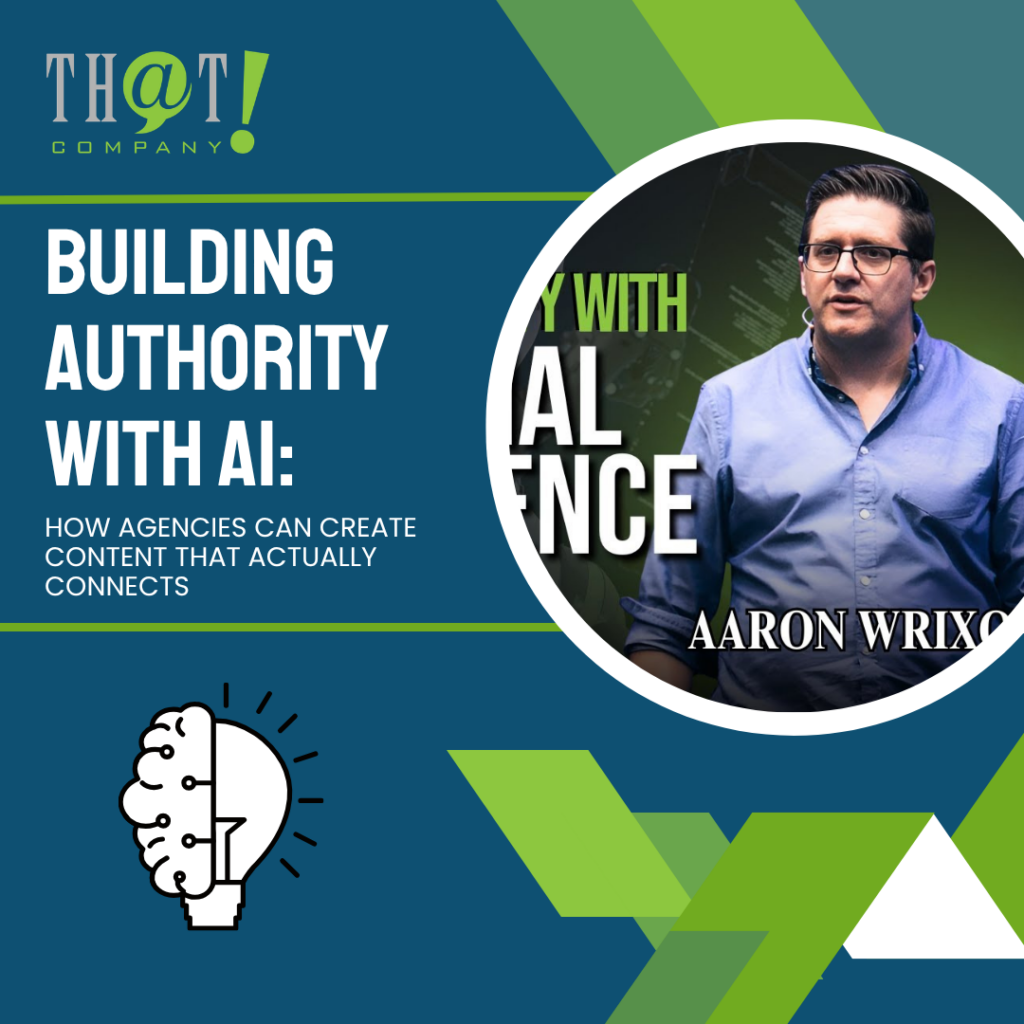
That was the core message from Aaron Wrixon in this Mastermind Speaker Series session on building authority with AI. Aaron, a seasoned writer and content strategist, shared how agencies can use AI not simply to create more content, but to create better, more resonant content rooted in the real pains, frustrations, and language of their ideal clients.
For agency owners, this matters because authority is not built by saying, “We are experts.” Authority is built when prospects feel understood before they ever get on a sales call.
Why Authority Starts With Understanding Client Pain
Aaron opened with a simple but powerful point: if someone wants more clients, they are experiencing a form of pain. They may call it frustration, dissatisfaction, stalled growth, or marketing not working the way it should. But underneath the wording is a business problem they want solved.
The same is true for your clients.
Most prospects are dealing with two types of pain:
Functional Pain
Functional pains are the visible business problems your prospects are trying to solve. These may include:
- Not enough leads
- Poor campaign performance
- Difficulty proving ROI
- Lack of internal marketing expertise
- Inconsistent growth
- Technical challenges with SEO, PPC, websites, or ads
These are the problems clients usually say out loud.
Emotional Pain
Emotional pains are often the real drivers behind buying decisions. These include:
- Fear of falling behind competitors
- Stress from inconsistent revenue
- Anxiety about choosing the wrong provider
- Pressure to prove results to a boss, spouse, partner, or team
- Frustration from wasting money on marketing that does not work
Aaron’s point was clear: when your content speaks to both the practical issue and the emotional pressure underneath it, your audience feels seen. That feeling is the foundation of authority.

Building Authority With AI Starts With Better Prompts
One of the biggest takeaways from the session was that AI is most useful when it helps agencies better understand their audience.
Aaron demonstrated how agencies can prompt ChatGPT to identify the functional problems their target market faces. In the example from the session, the audience focused on home services businesses, such as roofers, painters, HVAC companies, solar installers, and remodelers.
Instead of asking AI for “marketing ideas,” Aaron used prompts that pushed AI to think like a strategist:
- What tangible business challenges make this client look for an agency?
- How do those problems show up in their business?
- What metrics or situations indicate the problem?
- What phrases might clients actually use to describe it?
That last point is especially important.
Your prospects rarely describe their problems in agency language. They are not usually saying, “We need an integrated omnichannel performance strategy.” They are saying, “The phone is not ringing,” or “We are spending money on ads and getting nothing back.”
One sounds like an agency trying to impress itself. The other sounds like a real client.
Use AI To Find The Language Your Clients Already Use
A major theme of the session was language. Aaron explained that prospects are more likely to trust you when they see their own problems reflected back in words they would actually use.
This is where AI can speed up research.
Customer interviews are still the gold standard. But most agencies do not have the time to interview 20 clients every time they want to refine a landing page, write a blog post, or update sales emails.
Aaron’s practical approach is to use AI as a fast starting point. It may not deliver perfect insight, but it can get you much closer than guessing.
For example, instead of writing:
We provide comprehensive digital marketing solutions for home service businesses.
You might write:
Tired of spending money on marketing and still wondering why the phone is not ringing?
That second version does more than describe a service. It enters the client’s world.
Why Generic Agency Content Fails
Aaron pointed out something most agency owners know but do not always want to admit: many agency websites sound almost identical.
They talk about:
- Being strategic partners
- Delivering results
- Caring about client success
- Having years of experience
- Offering customized solutions
None of those things are bad. The problem is that they are often too vague to create trust.
Prospects do not only want to know that you offer SEO, PPC, web design, or content. They want to know that you understand what is at stake for them.
That is where authority-driven content changes the conversation.
Instead of leading with credentials, lead with understanding. Then connect that understanding to a clear plan.

How Agencies Can Apply AI Insights To Website Copy
Aaron demonstrated how the same AI-generated pain-point research can be used to improve website content. Once AI has identified a target audience’s problems and language, agencies can ask it to create homepage sections, service page copy, FAQs, social posts, and content ideas based on that audience insight.
A strong authority-focused homepage should communicate:
- The problem the client is facing
- The cost of leaving that problem unsolved
- The clear outcome the client wants
- Why your agency understands the situation
- A simple next step
This is where frameworks like StoryBrand can help. Aaron referenced the idea that the client should be the hero of the story, while your agency acts as the guide.
That shift matters. Your agency is not the hero because you know how to run campaigns. Your client is the hero because they are trying to grow their business, protect their team, and serve their customers. Your role is to help them get there with less confusion and more confidence.
Turn One Insight Into A Content Flywheel
One of the strongest content strategy ideas from the session was the “content flywheel.”
Aaron described a simple cycle:
- Use AI to identify client problems and language.
- Publish content that addresses those problems.
- Share that content on LinkedIn, Facebook, email, or other channels.
- Ask questions that invite your audience to respond.
- Use their comments, objections, and questions to create the next piece of content.
This turns content creation from a blank-page exercise into an ongoing conversation.
For example, an agency could publish a post about why home service companies waste money on ads. Then, based on the comments, the agency could create:
- A blog post answering common ad-budget questions
- A LinkedIn carousel explaining wasted spend
- A short video on how to evaluate lead quality
- A case study showing how one business improved campaign performance
- An FAQ page addressing concerns raised by prospects
That is how content starts compounding. Each piece creates fuel for the next.
Building Authority With AI Does Not Mean Replacing Expertise
Aaron was careful to make an important distinction: AI should augment expertise, not replace it.
Used poorly, AI creates generic content. Used thoughtfully, it helps agencies uncover better angles, organize ideas faster, and communicate with more relevance.
That distinction fits That Company’s own approach to communication: clear, confident, people-focused, and practical rather than flashy or overly technical. The goal is not to sound impressive for the sake of it. The goal is to make the partner’s life easier, strengthen relationships, and support sustainable growth.
AI can help agencies move faster, but the strategy still needs human judgment.
A good agency knows which insights are useful, which messages fit the market, and which claims should be refined before they go live. In other words, AI can hand you the clay. You still have to shape it into something worth putting on the shelf.

What New Agencies Can Do Without Testimonials
During the Q&A, one attendee asked a practical question: what should a new agency do if it does not have testimonials yet?
Aaron and the That Company team discussed several useful approaches:
- Offer a small, specific service in exchange for a testimonial or case study.
- Use a competitor analysis as a value-first offer.
- Ask for feedback or a review after providing a meaningful strategy session.
- Tap into an existing network, while making sure the person has genuinely experienced your work.
- Start with referrals, not just formal reviews.
This is especially relevant for newer agencies trying to build trust. You may not have a library of case studies yet, but you can still demonstrate authority through clarity, strategy, and a strong first impression.
And if you are partnering with a white-label provider, you do not have to build all of that credibility alone. With the right partner, you can bring sales support, fulfillment expertise, and client communication support into the relationship while still staying focused on growing your agency.
Key Takeaways
Aaron’s session made one thing clear: building authority with AI is not about publishing more content faster. It is about understanding your clients better and communicating in a way that earns trust.
The biggest takeaways:
- Authority starts when prospects feel understood.
- Functional pains explain the business problem.
- Emotional pains often drive the buying decision.
- AI can help agencies identify client language quickly.
- Better prompts lead to better content strategy.
- Website copy should reflect client problems, not just agency capabilities.
- A content flywheel turns audience feedback into ongoing authority-building content.
- AI works best when guided by real expertise and human judgment.
For agencies looking to scale without getting buried in fulfillment, the right white-label partner can help turn authority into growth. Learn more about how That Company supports agencies through White Label Digital Marketing.